Top 5 Eco-Friendly Fencing Materials for Your Home Mar 15, 2026
Choosing eco-friendly fencing materials is not just about sustainability; it also involves selecting durable and cost-effective solutions. These materials can be recycled or are made from sustainable resources, offering both environmental and economic advantages. Below, we delve into the best options available to help you make an informed and responsible choice for your home.
1. Bamboo Fencing
Bamboo is rapidly gaining popularity as a go-to material for eco-friendly fencing. Known for its rapid growth, bamboo is a renewable resource that can be harvested without causing long-term damage to the soil. It is sturdy and offers a tropical aesthetic that suits both modern and traditional homes. By choosing bamboo, you not only add a beautiful natural look to your yard but also contribute to the conservation of resources.
2. Recycled Wood Fencing
Another sustainable option is recycled wood fencing. This material repurposes wood from previous structures, reducing the need for new lumber. Recycled wood maintains the classic, warm aesthetic typical of wooden fences, but with significantly less environmental impact. Plus, it is often cost-effective compared to new wood, making it an economical choice as well.
3. Composite Fencing
Composite fencing blends recycled plastic with wood fibers, creating a durable, low-maintenance fence material. Although it uses plastics, the recycled aspect helps keep these materials out of landfills and gives them a new purpose. Composite fencing resists rot, insects, and weather damage, making it a long-lasting option that doesn't require harsh chemical treatments for upkeep.
4. Metal Fencing
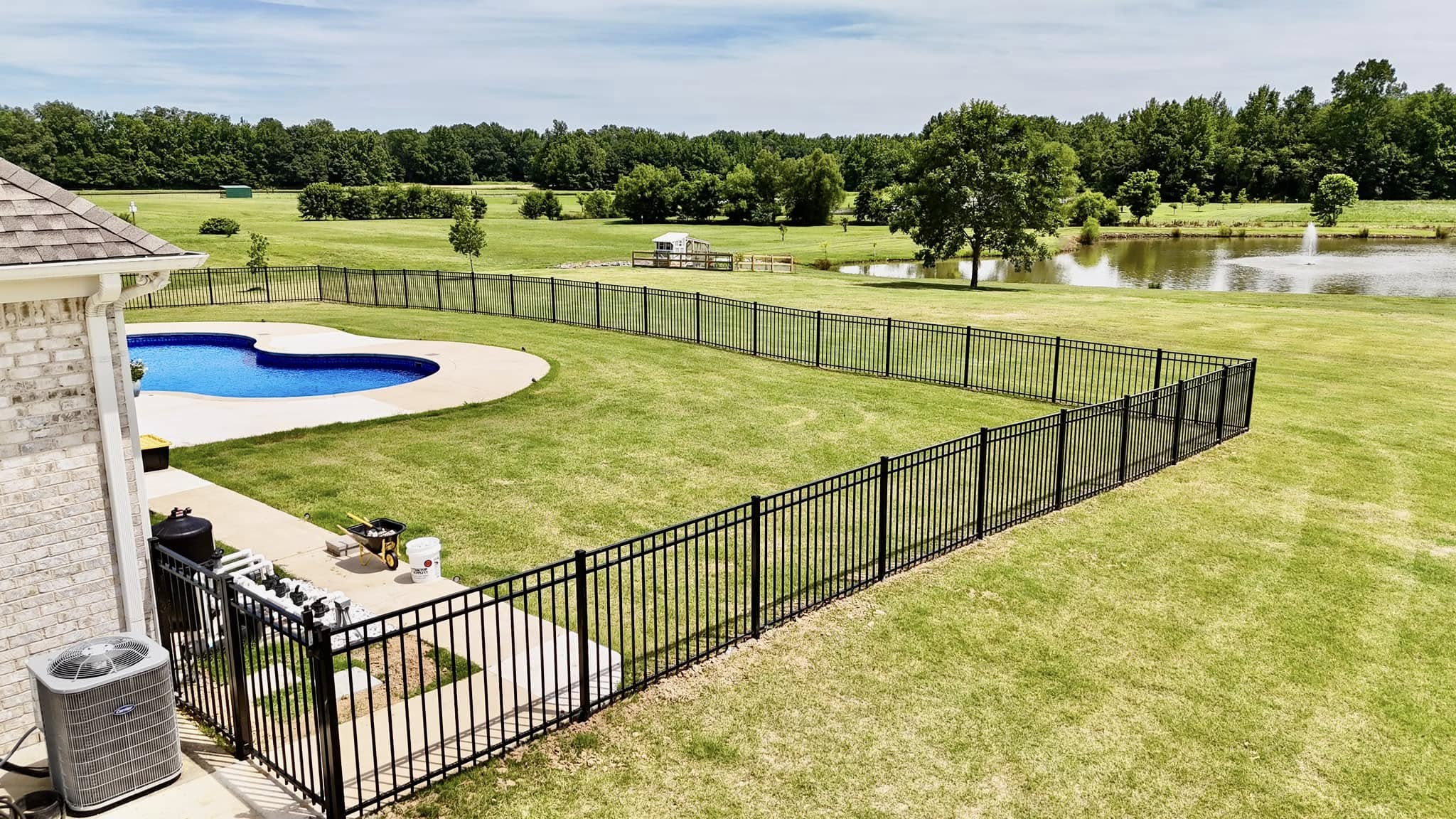
Certain metals, like aluminum, offer tremendous benefits as environment-friendly fencing materials. Aluminum is often made from recycled content and can be recycled again at the end of its life, making it an eco-friendly choice. Metal fencing is highly durable and requires minimal maintenance, reducing resource consumption over time. Additionally, it provides a sleek, contemporary look that can complement a variety of architectural styles.
5. Living Fences
If you truly wish to merge nature with your fencing, consider living fences. These fences are composed of bushes, trees, or hedges planted closely together to form a natural barrier. Though they may take time to grow, living fences contribute to the environment by supporting wildlife, producing oxygen, and absorbing carbon dioxide. They offer a flexible, natural appearance and enhance biodiversity in your garden.
In conclusion, selecting an eco-friendly fencing material is a smart investment in the sustainability of our planet and the beauty of your property. Each material mentioned comes with its own set of advantages, suited to different homeowner needs and aesthetic preferences. At First Fence LLC, we're committed to helping you make decisions that benefit both your home and the environment.
Partner with us to explore the best eco-friendly fencing options for your property. By choosing sustainable fencing solutions, you’re taking a step towards a greener future while enjoying the aesthetic and functional benefits that these materials offer. If you have questions or need expert guidance, our team at First Fence LLC is ready to help you pave the way to an environmentally conscious home improvement.
/filters:no_upscale()/filters:format(webp)/media/664ac3a3-f406-4c8c-84f3-a5b54b88e3df.jpg)