Understanding the Environmental Impact of Your Fencing Choices Jun 07, 2026
The materials you choose for your fence can significantly affect the environment. For instance, wood is a classic fencing material that many homeowners appreciate for its natural appearance and versatility. However, traditional wood fences require regular maintenance, including staining and sealing, which often involves chemical treatments. Additionally, sourcing wood sustainably is crucial, as deforestation can lead to habitat destruction and increased carbon emissions. Opting for fences made from certified sustainable wood sources is a more eco-friendly choice that helps preserve our forests.
Vinyl fencing is another popular option due to its durability and low maintenance needs. It does not require painting or sealing, reducing potential chemical exposure. However, vinyl is derived from PVC, a plastic whose production releases toxins into the environment. It's important to weigh the fence's longevity and energy-saving benefits against these environmental costs. Recycling programs for vinyl fences are emerging, which can help mitigate some negative impacts, so choosing a manufacturer who participates in these programs is a wise option.
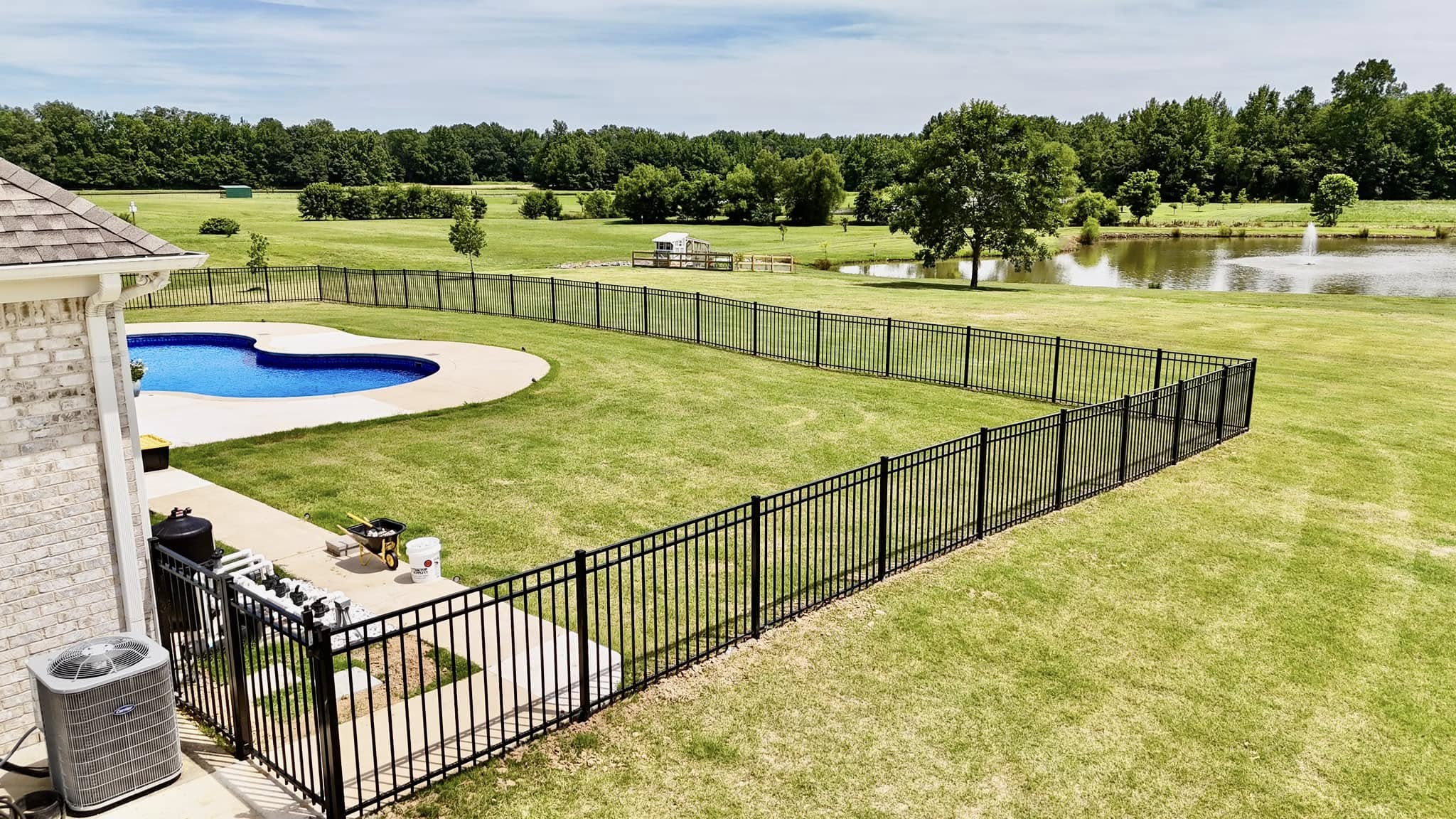
Metal fencing, particularly aluminum and steel, offers a robust and durable alternative. Aluminum is known for its recyclability, requiring less energy to recycle than to produce new material. This makes aluminum fencing an environmentally friendly choice. Steel also has a long lifespan and can be recycled at the end of its use. The downside is that metal fences typically demand more energy during production. However, the trade-off may be worthwhile given their longevity and the ability to repurpose them.
At First Fence LLC, we also encourage considering composite fencing. Made from a blend of recycled wood fibers and plastic, composite fences offer the appearance of wood with the durability and low maintenance of vinyl. The use of recycled materials supports waste reduction and resource conservation. Furthermore, composite fencing does not require painting or staining, thereby lowering environmental impact throughout its lifespan.
Beyond material selection, installation practices and maintenance routines are equally important. Choosing local materials can decrease the carbon footprint associated with transportation. Professional installation can ensure that the fence is set up correctly, reducing the need for repairs and replacements. Moreover, fostering biodiversity around your fence by planting native species provides wildlife habitats and enhances ecological balance.
Understanding the environmental impact of your fencing choices empowers you to make sustainable decisions that benefit both your property and the planet. At First Fence LLC, we are committed to providing our customers with high-quality, sustainable fencing options that align with their values. By assessing your needs and considering eco-friendly alternatives, you can enjoy a durable and attractive fence while contributing positively to the environment.
By keeping these considerations in mind, you can confidently choose a fence that supports sustainability without compromising on quality or aesthetics. Reach out to First Fence LLC to explore our range of environmentally conscious fencing solutions. Together, let's shape a future where durability and design harmonize with ecological responsibility.
/filters:no_upscale()/filters:format(webp)/media/664ac3a3-f406-4c8c-84f3-a5b54b88e3df.jpg)